Welcoming New Patients & Emergencies!

A toothache that interrupts dinner or keeps you awake deserves attention. Yet pain alone cannot tell you whether a tooth needs a filling, a crown, root canal treatment, or another approach. Finding the cause is the first step.
Root canal treatment in Payson may help preserve a tooth when its inner pulp becomes irreversibly inflamed or infected. Anderson Dental Group offers this service for patients seeking an evaluation and a plan to address the problem.
What Does Root Canal Treatment Actually Treat?
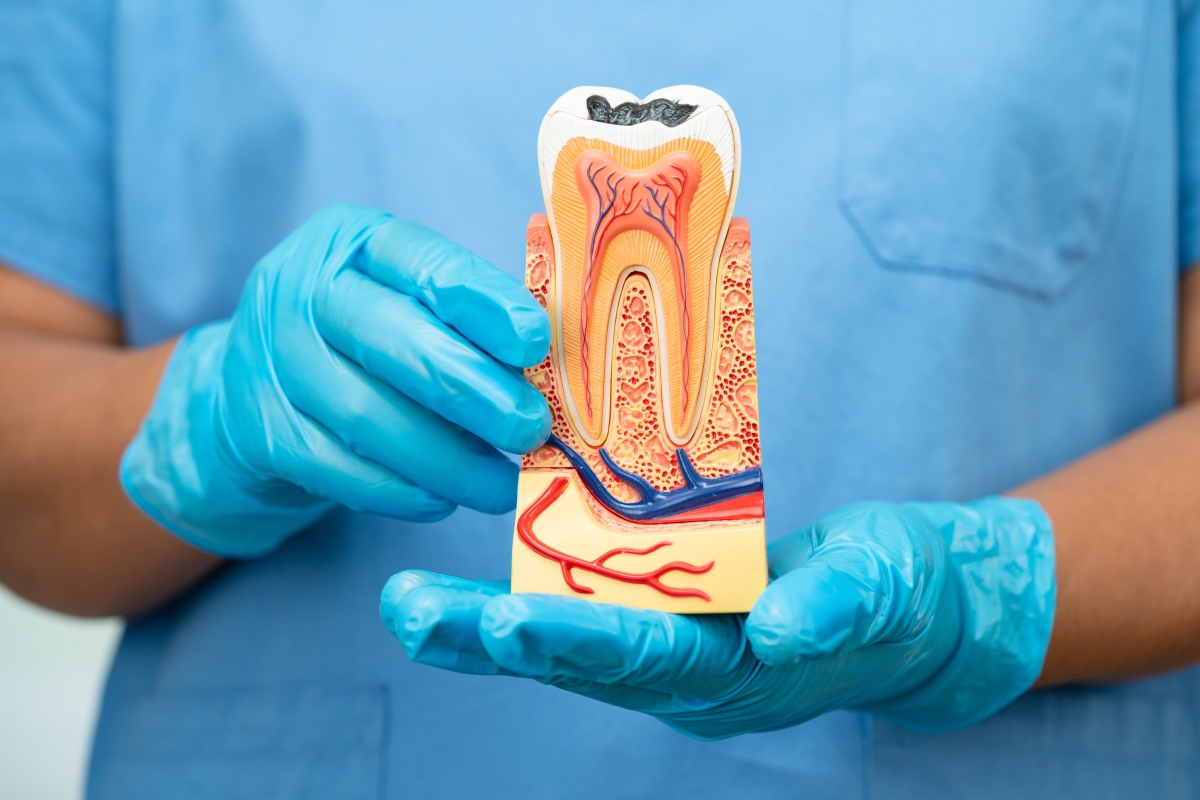
Inside a tooth is soft tissue called pulp, which contains nerves and blood vessels. Deep decay, cracks, or injury can affect this tissue. A tooth may also develop pulp problems after previous dental treatment.
Root canal treatment removes damaged or infected pulp, cleans the internal spaces, and seals them. The tooth then needs an appropriate restoration. The goal is to retain a tooth that can still be restored and used.
The procedure does not make every damaged tooth repairable. A severe fracture or inadequate remaining support may change the recommendation. Ask why the dentist believes the tooth can, or cannot, be saved.
Which Symptoms Deserve an Appointment?
Lingering sensitivity after hot or cold drinks, pain when biting, swelling, or a pimple-like bump on the gums can signal a problem. Sometimes an affected tooth has few noticeable symptoms.
Keep track of what you feel rather than trying to diagnose it yourself. Note when pain started, whether it occurs spontaneously, and how long it lasts. Mention any injury, even if the tooth did not visibly break.
Patients coming from Mesa Del Caballo or East Verde Estates can share these details when calling. The team can use the information to help determine appointment urgency. Do not wait for a scheduled cleaning if symptoms are worsening.
When Is a Toothache a Medical Emergency?
Difficulty breathing or swallowing, spreading facial or neck swelling, or swelling near the eye requires immediate emergency medical attention. Call 911 or go to an emergency department when breathing or swallowing is affected.
Fever with dental swelling also needs urgent professional assessment. Call a dental office promptly for guidance about localized swelling or significant tooth pain. An advertised appointment window should never be treated as a reason to delay care when symptoms are serious.
How Does the Dentist Decide What You Need?
An evaluation may include X-rays, examination of existing restorations, bite testing, and tests of the tooth’s response to temperature or other stimuli. These findings help distinguish pulp problems from other causes of discomfort.
Ask the dentist to explain the diagnosis in everyday language. Useful questions include whether a crack is present, how much tooth remains, and whether a specialist should evaluate the case.
What Happens During Treatment?
The tooth is numbed, and a protective dental dam isolates it. The clinician accesses the pulp space, cleans and shapes the canals, and fills them with sealing material. A temporary or definitive restoration closes the access opening.
The number of visits depends on the tooth and clinical circumstances. A separate appointment may be needed for the final crown or other restoration. Ask about the complete sequence before assuming the root canal appointment finishes all necessary care.
If you feel pain during treatment, tell the clinician. Do not assume you must tolerate it. Discuss anxiety beforehand so the team can explain comfort measures and how to signal for a pause.
What Should You Expect Afterward?
Some tenderness can occur after treatment. Follow the office’s medication and eating instructions, and avoid chewing while your mouth remains numb. Protect the treated tooth from heavy biting until your dentist says it is ready.
Contact the office if pain becomes severe, swelling develops, or your bite feels uneven. A loose temporary filling also deserves a call. The follow-up plan should tell you which symptoms require attention and when to return.
Why Does the Final Restoration Matter?
The root canal addresses the inside of the tooth. A filling or crown helps seal and protect the remaining structure. Molars frequently need crowns because of their chewing demands and the amount of tooth structure lost.
Your dentist should explain the recommendation for your particular tooth. Continue brushing, cleaning between teeth, and attending examinations. A treated tooth can still develop decay or other problems.
Take the Next Step Toward Relief
Call Anderson Dental Group at (928)-474-4581 to request a toothache evaluation at 712 N Beeline Hwy, Payson. A diagnosis helps you understand whether saving the tooth is realistic.
Frequently Asked Questions
Does Every Toothache Need a Root Canal?
No. Cavities, gum problems, cracks, and other conditions can cause pain. Examination and testing determine which treatment addresses the cause.
Will Antibiotics Replace Root Canal Treatment?
Usually not. Antibiotics do not remove damaged pulp or clean the canals. A clinician decides whether antibiotics are needed alongside treatment for signs of spreading infection or other indications.
Can I Return to Work After Treatment?
Many patients can, but symptoms, medication, and sedation may affect plans. Ask for instructions specific to your appointment, including whether someone must drive you home.
Is Extraction the Only Alternative?
That depends on the diagnosis and whether the tooth is restorable. Discuss the prognosis, alternatives, and consequences of waiting. If extraction is recommended, ask whether and how the missing tooth should be replaced.