Welcoming New Patients & Emergencies!

Imagine spending several nights struggling with a severe toothache. Then, without treatment, the pain suddenly disappears. You might feel relieved and assume your tooth has healed.
However, a disappearing toothache does not always mean the problem has resolved. Sometimes, it indicates that the nerve inside your tooth has stopped functioning.
Understanding this warning sign can help you avoid serious dental complications. At Anderson Dental Group, we help patients understand persistent tooth pain and unexplained changes in dental health.
If you live in Payson or nearby communities, recognizing these symptoms can help you seek dental care before problems worsen.
Why Tooth Pain Can Suddenly Disappear
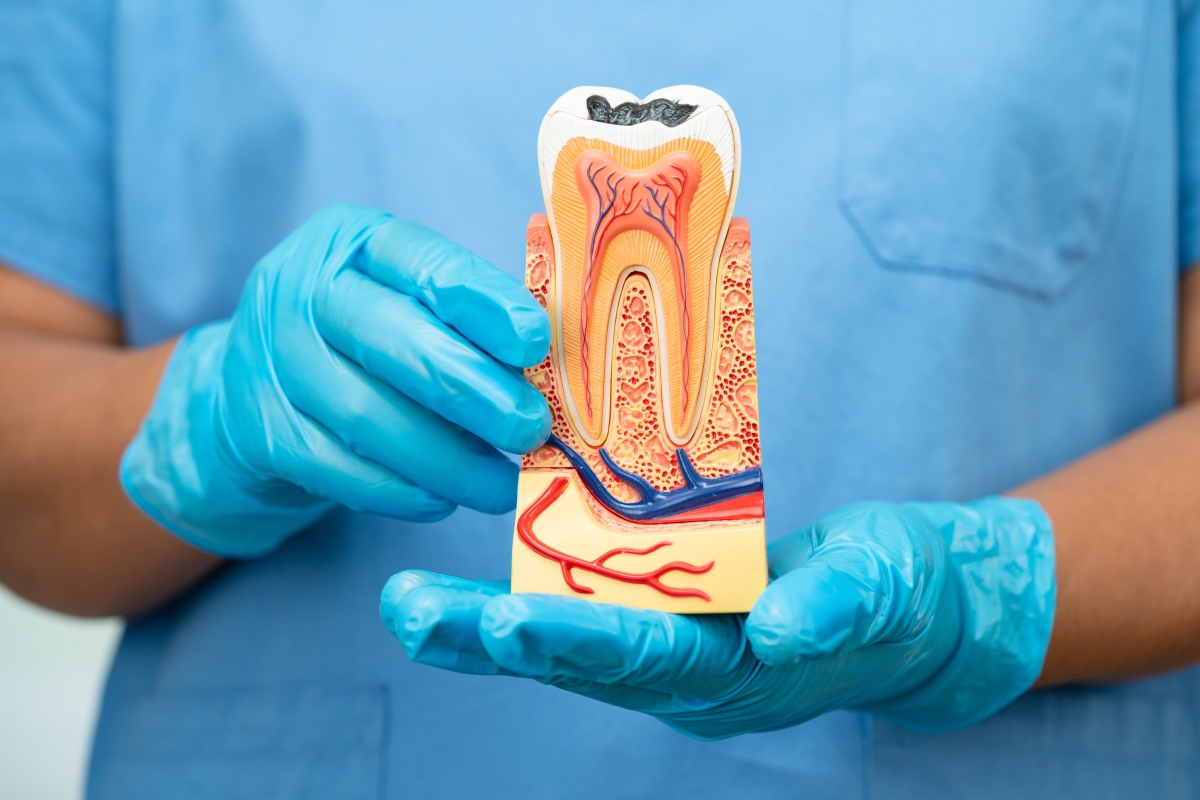
Inside every healthy tooth is a soft tissue called dental pulp. This tissue contains nerves, blood vessels, and connective tissue.
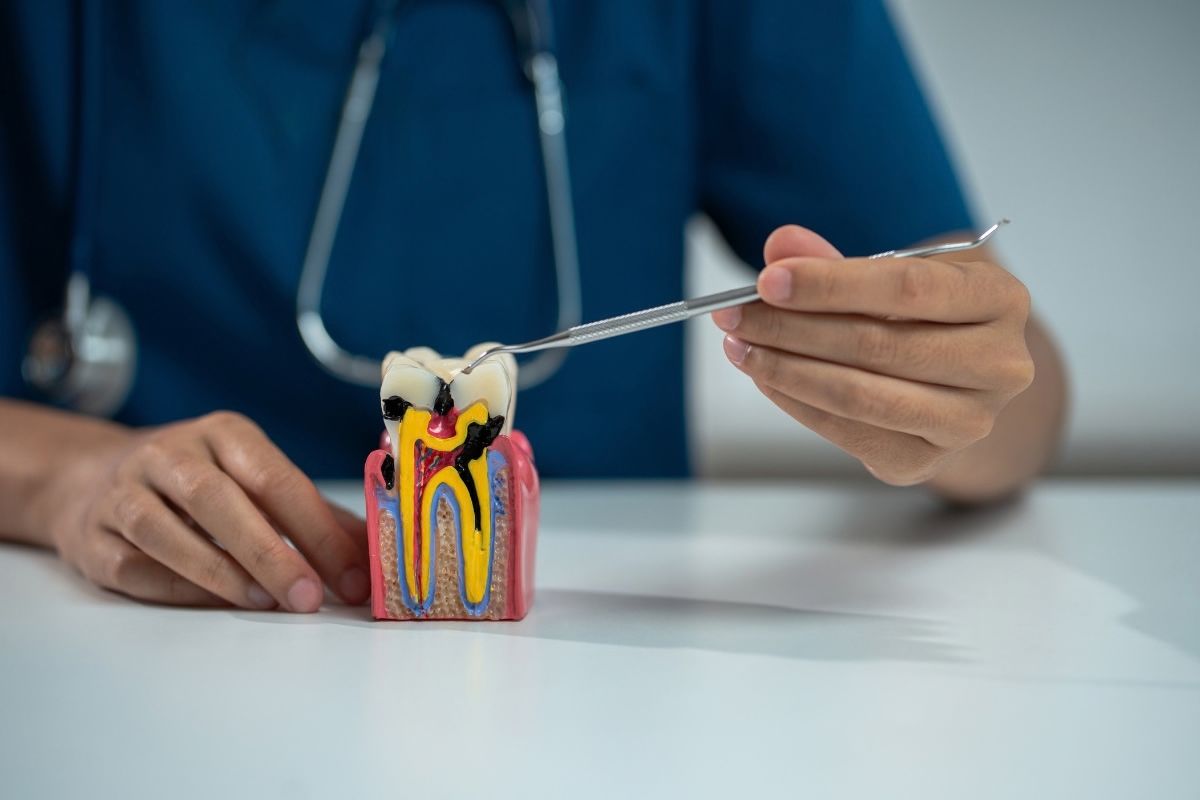
When bacteria reach the pulp, inflammation can create pressure inside the tooth. As a result, patients may experience throbbing pain or strong sensitivity to temperature.
However, prolonged inflammation or infection can eventually damage the nerves beyond recovery.
When the pulp dies, the tooth may stop responding to temperature changes. As a result, the intense pain can disappear even though bacteria remain inside.
This condition is known as pulp necrosis. A tooth that stops hurting may still require dental treatment. Without professional care, an infection can spread into surrounding tissues.
Warning Signs of a Dying Tooth
A damaged tooth does not always cause constant pain. Instead, patients may notice several gradual changes.
Your Tooth Starts Changing Color
An injured tooth may turn gray, brown, or darker than the surrounding teeth. This discoloration can occur when damaged pulp tissue breaks down.
However, stains can develop for other reasons. Therefore, a dental examination is necessary to determine the cause.
Your Gums Become Tender or Swollen
Swelling near a particular tooth may indicate inflammation or infection. Occasionally, patients notice a small pimple-like bump on their gums.
This bump may release fluid, causing an unpleasant taste.
Although drainage can sometimes reduce discomfort, the underlying infection may remain active.
You Experience Pain When Chewing
A tooth with damaged pulp may remain sensitive to pressure. For example, biting into bread or chewing meat might trigger discomfort.
This happens when inflammation affects tissues surrounding the tooth root.
You Develop Persistent Bad Breath
An infected tooth may contribute to unpleasant breath or a bad taste. However, gum disease and other conditions can also cause these symptoms.
A dental examination helps identify the actual source.
What Causes Tooth Nerve Damage?
Several dental conditions can damage the pulp inside your tooth. Understanding these causes helps patients recognize when treatment may become necessary.
Deep tooth decay: Untreated cavities let bacteria travel through the enamel and dentin toward the pulp.
Cracked teeth: A fracture can expose vulnerable internal structures to bacteria, even when the crack appears small.
Dental injuries: A fall or sudden impact may damage the tooth’s blood supply without causing visible damage.
Repeated dental procedures: Extensive or repeated treatment on one tooth can sometimes irritate the pulp.
Interestingly, some injuries develop into problems months or years later. Therefore, changes in a previously injured tooth deserve professional attention.
Can Root Canal Treatment Save It?
Root canal therapy is designed to remove infected or damaged pulp while preserving the remaining natural tooth.
During treatment, the dentist removes infected or damaged tissue from the internal canals. The dentist then cleans, disinfects, fills, and seals the canals.
A permanent restoration helps protect the treated tooth from further damage.
Root canal treatment in Payson may help patients avoid extraction when enough healthy tooth structure remains.
However, not every painful or discolored tooth requires a root canal. Treatment depends on examination findings and the tooth’s condition.
What Happens During Your Dental Evaluation?
At Anderson Dental Group, we evaluate symptoms and examine the affected tooth before recommending treatment.
Dr. Church may use dental X-rays and clinical tests to evaluate the tooth’s condition. These findings help identify infection, nerve damage, or other causes of discomfort.
Depending on the diagnosis, treatment may involve a filling, root canal therapy, or another dental procedure.
The goal is to address the source of the problem rather than simply manage its symptoms.
Why Delaying Treatment Creates Additional Risks
When infection remains inside a tooth, bacteria may spread beyond the root tip.
This can cause an abscess, damage surrounding bone, or lead to recurring swelling.
In some cases, infection can spread into nearby facial tissues. Severe infections may require urgent medical attention.
Waiting until the tooth hurts again is therefore not a reliable approach.
Patients living in Star Valley, Pine, and surrounding Rim Country communities should arrange a dental evaluation when unusual symptoms appear.
Prompt diagnosis can also help determine whether saving the natural tooth remains possible.
When Tooth Pain Requires Immediate Attention
Not every toothache represents an emergency. However, certain symptoms require prompt professional evaluation.
Contact a dental office when you notice:
- A severe toothache that suddenly disappears.
- Swelling around a tooth or along the gums.
- A tooth becoming noticeably darker.
- Persistent pain while biting or chewing.
- A recurring bump near the tooth root.
If you develop significant facial swelling, fever, or increasing discomfort, seek urgent dental assessment.
Difficulty breathing or swallowing requires emergency medical care.
Protect Your Natural Tooth Before Complications
Sudden relief from tooth pain can feel reassuring, but it can also signal serious nerve damage. Understanding the cause helps protect your long-term oral health.
At Anderson Dental Group, we help patients identify the source of dental discomfort and understand available treatment options.
Dr. Church can evaluate concerning symptoms and determine whether root canal therapy may help preserve your natural tooth.
Request an appointment at our Payson office before an untreated tooth problem becomes more serious.
Frequently Asked Questions
- Can a tooth infection disappear without treatment?
A tooth infection generally does not resolve simply because discomfort disappears. Damaged nerves may stop transmitting pain while bacteria remain present. A dental examination at our practice can identify the cause and determine whether treatment is needed to protect surrounding tissues.
- How do I know whether my tooth nerve is dead?
A darkening tooth, reduced temperature sensitivity, swelling, or previous severe pain may indicate pulp damage. However, these signs cannot confirm nerve death. Our dentist can perform clinical tests and X-rays to assess your tooth and recommend appropriate treatment.
- Can a dentist save a tooth after the nerve dies?
Many teeth with dead or infected pulp can be preserved through root canal therapy. Success depends on factors such as remaining tooth structure and surrounding bone health. An examination helps determine whether saving the tooth is a reasonable option.
- Where can I seek root canal treatment in Payson?
Patients with unexplained tooth pain can schedule a dental evaluation with our Payson office. Our dentist will assess the affected tooth, review symptoms, and explain whether root canal treatment or another procedure is appropriate.
- Should I visit a dentist if my toothache stops?
Yes, especially if the tooth previously caused severe or prolonged pain. Sudden relief can occasionally indicate nerve damage rather than healing. An examination helps identify hidden problems before swelling, infection, or further damage develops around the affected tooth. Book your appointment for an oral checkup today.
- Does every infected tooth require extraction?
No. Some infected teeth can be preserved through root canal therapy and appropriate restoration. However, severely damaged teeth may not be repairable. A dental consultation helps patients understand the condition, possible treatments, and steps needed to restore oral health.