Welcoming New Patients & Emergencies!

Would you recognize gum disease if your gums never hurt? Many people assume healthy gums are not a concern unless discomfort develops. However, gum disease treatment in Payson may be necessary even when you feel perfectly comfortable. Early gum disease can develop quietly, allowing infection to affect the tissues supporting your teeth before noticeable symptoms appear.
Bleeding while brushing, persistent bad breath, and receding gums may seem like minor concerns. However, these changes can indicate inflammation or periodontal damage that deserves professional attention. Understanding the warning signs can help you protect your natural teeth and avoid more complicated dental problems.
Why Can Gum Disease Progress Without Pain?
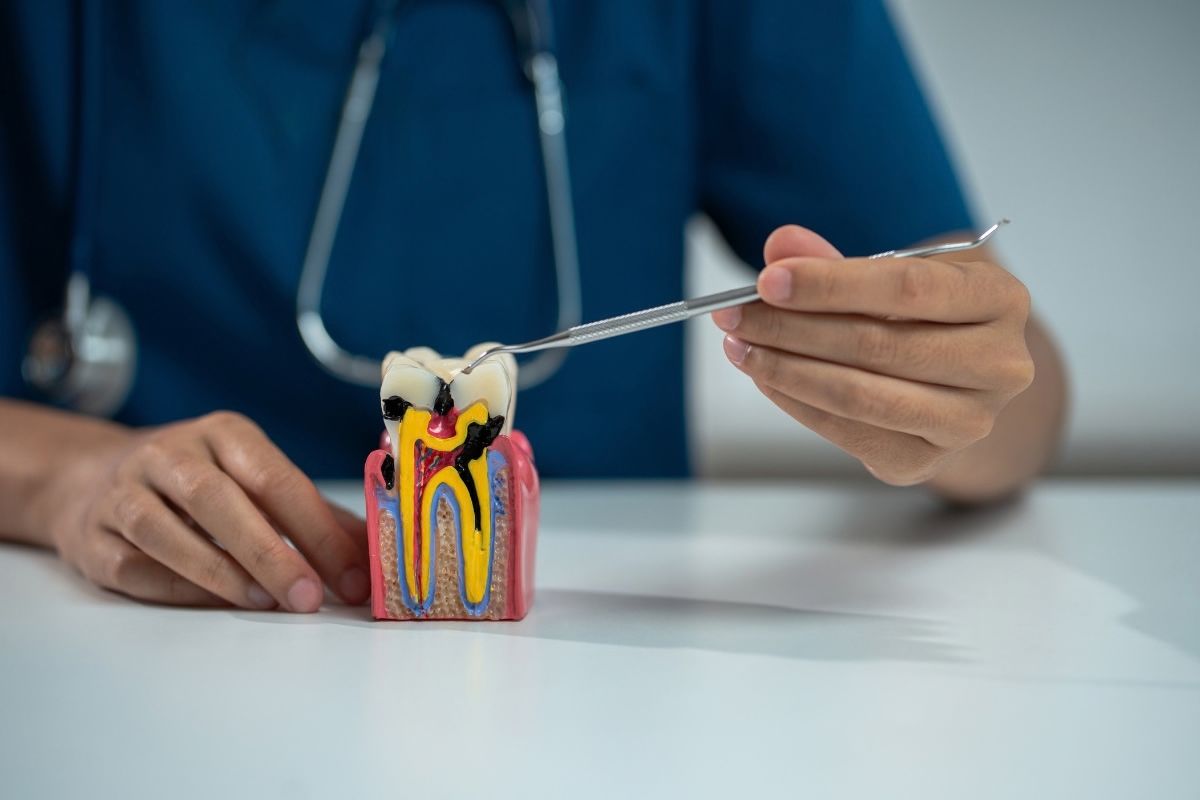
Gum disease, also called periodontal disease, develops when bacteria accumulate around the teeth and gumline. These bacteria form plaque, a sticky film that can harden into tartar when not removed regularly.
As plaque and tartar accumulate, the surrounding gum tissues become inflamed. This early stage is called gingivitis, which can often be reversed with professional cleaning and consistent oral hygiene.
However, untreated gingivitis can progress into periodontitis. At this stage, infection begins damaging the tissues and bone supporting your teeth, sometimes without causing noticeable pain.
According to the Centers for Disease Control and Prevention (CDC), gum disease can become serious before people recognize its symptoms. This makes regular dental examinations important, even when your mouth feels normal.
6 Warning Signs Your Gums Need Attention
Gum disease does not always announce itself through discomfort. Recognizing subtle changes can help you seek treatment before the condition progresses.
1. Your Gums Bleed When Brushing
Do you regularly notice blood on your toothbrush or dental floss? Bleeding gums are not something you should automatically consider normal.
Healthy gum tissues generally should not bleed during routine brushing and flossing. Persistent bleeding may indicate inflammation caused by plaque accumulation along the gumline.
Although brushing too aggressively can irritate your gums, recurring bleeding deserves a professional examination. Your dentist can determine whether gingivitis or another periodontal concern is responsible.
2. Your Breath Never Seems Fresh
Persistent bad breath can sometimes indicate more than inadequate brushing or certain foods. Bacteria that accumulate around infected gum tissue can produce unpleasant odors.
You might notice that your breath becomes unpleasant shortly after brushing. An ongoing bad taste in your mouth may also accompany this problem.
If mouthwash and regular brushing provide only temporary relief, consider having your gums evaluated. Addressing the underlying bacterial buildup may help improve your breath and periodontal health.
3. Your Teeth Look Longer Than Before
Have your teeth started appearing longer when you smile? This change may indicate gum recession, which occurs when gum tissue moves away from its normal position.
As the gums recede, more of the tooth surface becomes exposed. In some cases, the exposed roots may also become sensitive to cold drinks, hot foods, or sweet treats.
Gum recession can develop because of periodontal disease, aggressive brushing, or other factors. A dental examination can help identify the cause and determine whether treatment is necessary.
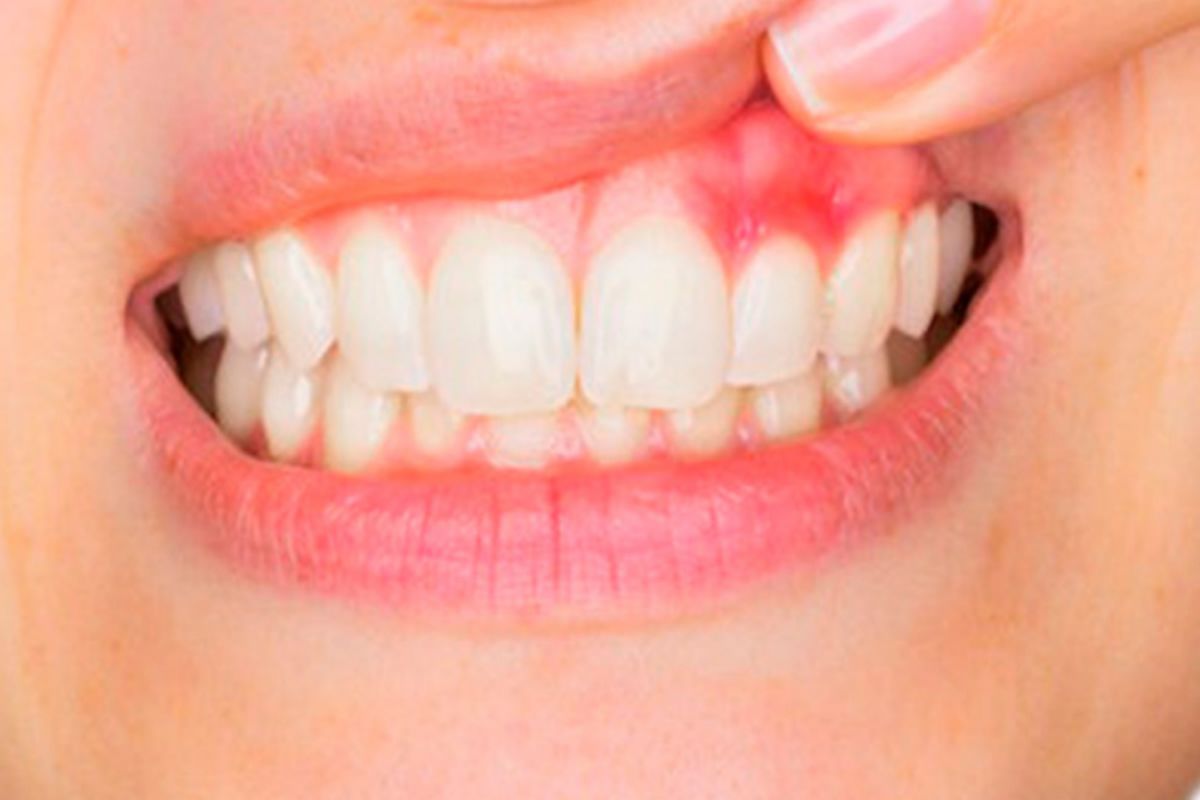
4. Your Gums Look Red or Swollen
Healthy gums generally appear firm and pink, although natural coloration varies between individuals. Redness, swelling, and tenderness can indicate inflammation around your teeth.
You may notice that your gums look puffy or feel uncomfortable when eating certain foods. These changes can develop during the early stages of gum disease.
Ignoring inflammation may allow bacteria to continue affecting the supporting tissues. A professional cleaning and appropriate home care can help address early gum problems.
5. Food Frequently Gets Trapped Between Teeth
Do you repeatedly find food stuck between the same teeth? Changes in gum support can sometimes create spaces where food particles accumulate.
As periodontal disease progresses, the supporting tissues around affected teeth may deteriorate. This can contribute to changes in tooth positioning and spaces between neighboring teeth.
However, food trapping can also result from cavities, damaged fillings, or changes in tooth contact. Your dentist can examine the affected area and identify the underlying problem.
6. Your Teeth Feel Loose or Shift Position
Teeth becoming loose is a concerning sign that should never be ignored. Advanced periodontal disease can damage the bone and tissues that keep teeth stable.
You might notice changes in your bite or feel movement while chewing. Some people also observe new gaps between teeth that previously fit closely together.
These symptoms can indicate significant periodontal damage requiring prompt evaluation. Early intervention may help control the infection and protect the remaining supporting structures.
What Happens During a Gum Disease Examination?
Identifying gum disease requires more than looking at the visible surfaces of your gums. Your dentist needs to evaluate the tissues surrounding your teeth and determine whether supporting structures have been affected.
During an examination, your dental team may:
- Inspect your gums: Check for redness, swelling, bleeding, and recession.
- Measure periodontal pockets: Use a small dental probe to measure spaces between your teeth and gums.
- Review dental X-rays: Identify possible bone loss around affected teeth.
- Evaluate your medical history: Discuss diabetes, tobacco use, medications, and other contributing factors.
These findings help determine the condition’s severity and appropriate treatment options. A thorough assessment also helps distinguish early gingivitis from more advanced periodontitis.
Which Treatments Can Help Control Gum Disease?
Treatment depends on how far the infection has progressed and which areas of your gums are affected. The primary goal is to remove harmful bacterial deposits, reduce inflammation, and protect the supporting structures around your teeth.
Scaling and Root Planing
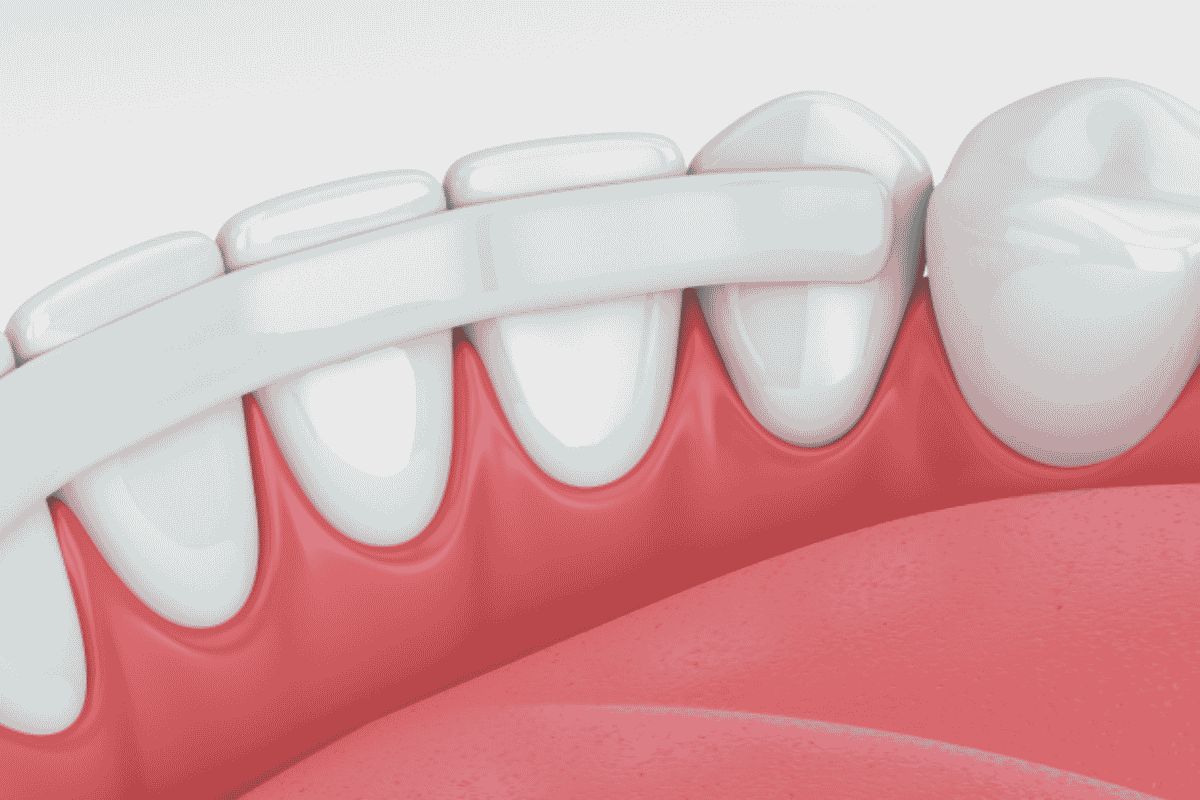
Scaling and root planing is a deep-cleaning procedure used to treat periodontitis. Unlike routine cleanings, this procedure targets plaque and tartar accumulated beneath the gumline.
During scaling, dental professionals remove bacterial deposits from affected tooth surfaces. Root planing smooths the root surfaces, helping reduce areas where bacteria can accumulate.
Depending on the extent of periodontal disease, treatment may require multiple appointments. Local anesthetic can also help improve comfort during the procedure.
Antimicrobial Medication
Your dentist may recommend antimicrobial medication when additional bacterial control is necessary. Depending on your condition, this may involve a prescribed rinse, localized medication, or other appropriate medication.
At Anderson Dental Group, periodontal treatment options include scaling and root planing and antimicrobial therapy. The dental team evaluates your condition before recommending an appropriate approach.
For patients considering gum disease treatment in Payson, understanding these options can make the next step less intimidating. Treatment recommendations depend on clinical findings, infection severity, and your ongoing oral hygiene habits.
Meet the Dentists Behind Your Gum Care
Choosing a dental office for periodontal concerns means finding a team that understands comprehensive oral health. At Anderson Dental Group, Dr. Justin Church and Dr. Eric Anderson provide general dental care for patients and families in Payson.
Dr. Justin Church, D.M.D., studied nutrition at Arizona State University before earning his dental degree from Temple University School of Dentistry. His professional background includes continuing education and comprehensive dentistry, including preventive and restorative care.
Dr. Eric Anderson, D.D.S., graduated from the University of the Pacific in 1996 and joined the practice in 2000. His background in general dentistry supports the practice’s commitment to maintaining healthy, functional smiles.
Both dentists contribute to the practice’s comprehensive approach to oral health. Their role includes evaluating dental concerns, discussing appropriate treatment options, and helping patients understand their care needs.
The practice also offers periodontal services, allowing patients to discuss gum health concerns within an established dental care setting. For advanced cases requiring additional periodontal procedures, referral to a periodontist may be appropriate.
How Can You Prevent Gum Disease From Returning?
Professional treatment addresses existing bacterial buildup, but maintaining healthy gums requires consistent at-home care. Your daily habits play an important role in controlling plaque and preventing future inflammation.
Follow these habits to support your periodontal health:
- Brush twice daily using fluoride toothpaste and a soft-bristled toothbrush.
- Floss every day to remove plaque between your teeth.
- Avoid smoking and other tobacco products.
- Keep regular dental examinations and professional cleanings.
- Follow your dentist’s recommended periodontal maintenance schedule.
- Discuss medical conditions and medications that may affect your gum health.
Patients with a history of periodontitis may need more frequent professional cleanings than the standard six-month schedule. Your dentist can recommend an appropriate maintenance interval based on your periodontal condition.
Protect Your Gums Before Problems Progress
Gum disease does not always cause pain, but that does not mean it is harmless. Bleeding gums, persistent bad breath, recession, and changes in tooth stability deserve attention.
Recognizing these warning signs and seeking professional care can help prevent further periodontal damage. You don’t need to wait until chewing becomes uncomfortable or your teeth start to feel loose.
If you are noticing changes in your gums, make an appointment with Anderson Dental Group today. Call 928-474-4581 to discuss your concerns and explore appropriate gum disease treatment in Payson. Take the next step toward healthier gums and a stronger smile.
Frequently Asked Questions
- When Should I Visit a Dentist for Gum Disease Treatment?
Schedule a dental examination if you notice bleeding gums, persistent bad breath, swelling, or gum recession. Early evaluation can help prevent periodontal disease from causing further damage.
- Can Gum Disease Be Treated Without Surgery?
Yes, many cases can be managed with nonsurgical treatments such as scaling and root planing. Anderson Dental Group can evaluate your gum health and recommend appropriate treatment options.
- How Do I Know If I Need Deep Cleaning for Gum Disease?
Bleeding gums, periodontal pockets, tartar buildup below the gumline, and bone loss may indicate a need for deep cleaning. A dental examination at our dental office can determine whether scaling and root planing is appropriate.
- Can Gum Disease Cause Permanent Tooth Loss?
Advanced periodontal disease can damage the bone and tissues supporting your teeth, potentially leading to tooth loss. Seeking timely treatment can help control the infection and protect your remaining natural teeth.
- How Often Should I Visit the Dentist After Gum Disease Treatment?
Patients with a history of periodontal disease may need maintenance visits every three to four months, depending on their condition. Your dentist will recommend an appropriate schedule to help maintain healthy gums.
- Where Can I Get Professional Gum Disease Treatment in Payson?
Anderson Dental Group offers periodontal care, including scaling and root planing, as well as antimicrobial treatment options. Schedule an appointment with our dental team to discuss your symptoms and determine the right next steps for your gum health.