Welcoming New Patients & Emergencies!

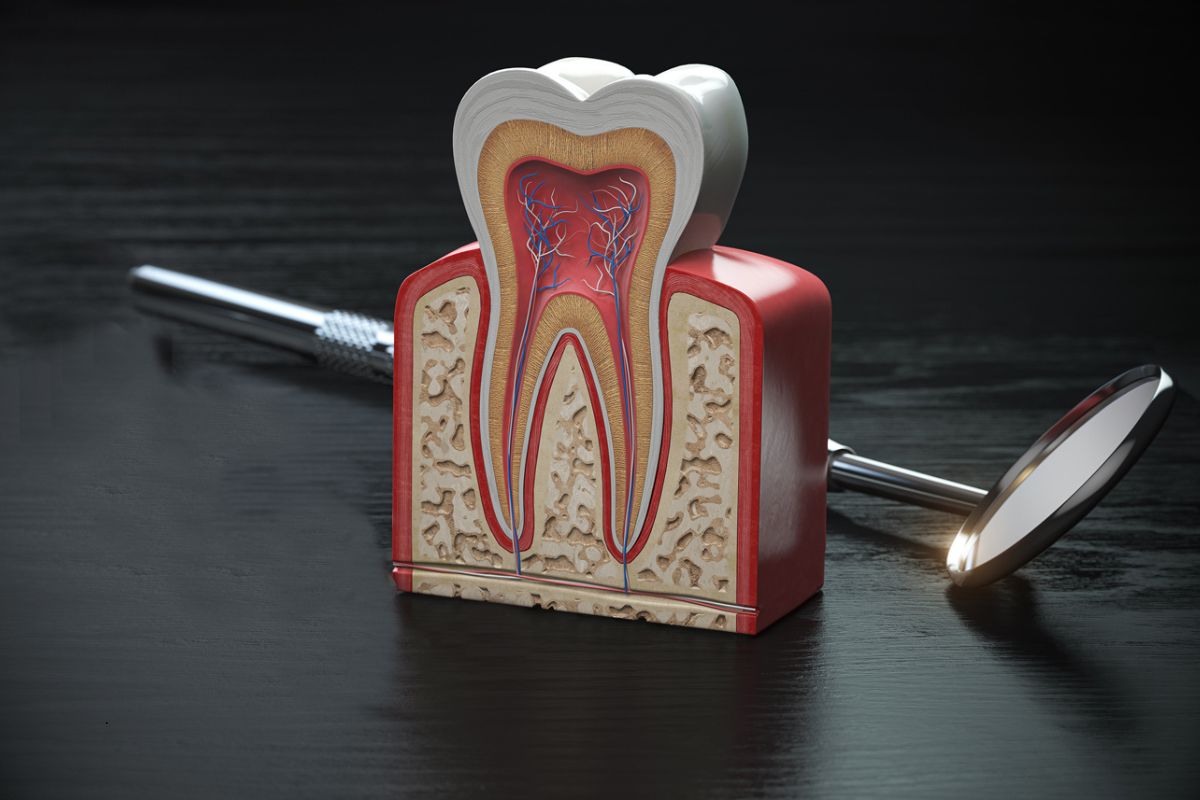
Few dental phrases can cause as much anxiety as “you need a root canal.” You may immediately picture pain, a long appointment, or an uncomfortable recovery. But modern root canal treatment is designed to relieve the pain caused by an infected or inflamed tooth and help preserve your natural smile.
If you are considering a Root Canal treatment in Payson, knowing what happens before, during, and after treatment can make the experience feel much more manageable. Understanding the process can also help you recognize why your dentist may recommend treatment and why delaying it can sometimes create bigger problems.
Why Would You Need a Root Canal?
Inside every tooth is a soft area called the dental pulp. It contains nerves, blood vessels, and connective tissue. When deep decay, a crack, repeated dental procedures, or trauma damages this tissue, bacteria can enter and cause inflammation or infection.
Sometimes the symptoms are obvious. Other times, a damaged tooth may cause little discomfort at first.
Common signs that a tooth may need root canal treatment include:
- Persistent or severe tooth pain
- Sensitivity to hot or cold that lingers
- Pain when chewing or biting
- Swelling around the affected tooth
- Tender or swollen gums
- A darkened or discolored tooth
- A recurring pimple or drainage on the gums
- An unpleasant taste in the mouth
- Pain that interferes with sleep or daily activities
Not every toothache requires a root canal. A dental examination and, when appropriate, dental imaging are needed to determine what is actually causing your symptoms.
Why Treating an Infected Tooth Matters
It can be tempting to wait when dental pain becomes less noticeable. However, reduced pain does not always mean the problem has gone away.
When the pulp inside a tooth becomes infected or severely inflamed, the condition can progress. The infection may spread into the tissues surrounding the tooth and potentially lead to an abscess.
Leaving the problem untreated can result in:
- Increasing pain
- Gum or facial swelling
- Formation of an abscess
- Damage to surrounding bone and tissues
- Difficulty eating comfortably
- A greater risk of losing the affected tooth
Getting an evaluation early gives your dentist an opportunity to determine whether the tooth can be treated and preserved.
What to Expect Before Root Canal Treatment
The first step is a thorough dental examination. Your dentist will discuss your symptoms, review your dental history, and examine the affected tooth.
Dental X-rays or other imaging may be used to assess the roots, surrounding bone, and extent of the problem.
Your dentist will then explain the diagnosis and recommended treatment. If root canal treatment is appropriate, you should understand what the procedure involves and what to expect afterward.
This consultation is also the right time to discuss concerns about discomfort, dental anxiety, medications, or previous dental experiences.
What Happens During Root Canal Therapy?
The purpose of Root Canal Therapy is to remove infected or damaged pulp from inside the tooth, clean and disinfect the root canal system, and seal the space to help prevent future infection.
Although every case is different, the treatment generally involves several steps.
1. The tooth is numbed
Local anesthesia is used to numb the area around the affected tooth. This helps make the procedure more comfortable.
2. The tooth is carefully accessed
The dentist creates a small opening in the tooth to reach the infected or inflamed pulp.
3. Damaged tissue is removed
The affected pulp is removed from inside the tooth and its root canals.
4. The canals are cleaned
The internal spaces are carefully cleaned and shaped to remove bacteria and remaining damaged tissue.
5. The tooth is sealed
The cleaned canals are filled with a specialized material designed to seal the inside of the tooth and reduce the risk of reinfection.
6. The tooth is restored
Depending on the condition of the tooth, your dentist may recommend a filling or dental crown to restore its function and provide additional protection.
The exact treatment plan depends on factors such as the tooth involved, the extent of damage, and your overall dental health.
Is a Root Canal Painful?
This is one of the most common concerns patients have.
The idea of a root canal may sound intimidating, but the procedure itself is performed with local anesthesia to numb the treatment area. In many cases, the severe pain that led to treatment is caused by the underlying infection or inflammation rather than the root canal procedure itself.
After treatment, some tenderness or sensitivity may occur for a few days. Your dentist can provide specific instructions for managing normal post-treatment discomfort.
If you experience severe or worsening pain, significant swelling, or other concerning symptoms after treatment, contact your dental office promptly.
What Happens After a Root Canal?
Your tooth may feel slightly different after treatment, particularly when biting. Following your dentist’s instructions is important during the recovery period.
You may be advised to:
- Avoid chewing hard foods on the treated tooth until it is fully restored.
- Keep the area clean with regular brushing and flossing.
- Follow any medication instructions provided by your dentist.
- Attend your recommended follow-up appointment.
- Complete any planned restoration, such as a crown.
A root canal removes the infected pulp, but the tooth still needs proper protection and ongoing oral care.
Can a Root Canal Save Your Natural Tooth?
One of the major benefits of root canal treatment is that it can allow a damaged or infected tooth to remain in your mouth rather than being extracted.
Preserving your natural tooth can help maintain normal chewing function and avoid some of the changes that may occur after tooth loss.
However, root canal treatment is not appropriate for every tooth. The dentist must determine whether the tooth has enough healthy structure and adequate support to be restored.
What Happens If You Delay Treatment?
If a dentist has recommended a root canal, postponing treatment may allow an infection or other underlying problem to progress.
You may eventually experience more intense pain, swelling, or damage around the affected tooth. In some situations, an untreated tooth may become difficult or impossible to save.
That is why an evaluation is important even if your symptoms temporarily improve.
Why Professional Evaluation Makes a Difference
Tooth pain can have many causes, including cavities, cracked teeth, gum problems, dental infections, or sensitivity. Treating the wrong problem will not solve the underlying issue.
A professional examination helps determine whether root canal treatment is appropriate or whether another option would better address your symptoms.
For patients in Payson and nearby communities, Anderson Dental Group provides dental care focused on identifying the source of discomfort and developing an appropriate treatment plan.
When Should You Call a Dentist?
Do not ignore persistent tooth pain, prolonged sensitivity, swelling, or pain when chewing. These symptoms may indicate a problem that requires professional attention.
The sooner the cause is identified, the sooner you can understand your treatment options and take steps toward protecting your tooth.
If you have been told that you may need a Root Canal in Payson, you do not have to keep worrying about what comes next. Contact us today to schedule an appointment!
Frequently Asked Questions
How do I know if I need a root canal?
Persistent tooth pain, lingering sensitivity to hot or cold, pain when biting, swelling, discoloration, or signs of infection can indicate that a tooth needs root canal treatment. However, only a dental examination can determine the actual cause.
Is root canal treatment painful?
The tooth and surrounding area are numbed with local anesthesia during treatment. Some tenderness or sensitivity can occur afterward, but your dentist can provide instructions for managing normal post-treatment discomfort.
How long does a root canal take?
Treatment time varies depending on the tooth and the complexity of the infection or damage. Some cases can be completed in one visit, while others may require additional appointments.
Can a root canal save my tooth?
In many cases, root canal treatment can remove infected tissue and allow the natural tooth to be restored. Whether the tooth can be saved depends on factors such as the amount of remaining tooth structure and the condition of the surrounding tissues.
What should I eat after a root canal?
Follow your dentist’s specific instructions. In general, it is wise to avoid very hard or sticky foods around the treated tooth until your dentist confirms that the final restoration is in place and it is safe to chew normally.
What happens if I do not get a root canal?
If an infected or severely inflamed tooth is left untreated, the problem may worsen and potentially lead to an abscess, swelling, additional tissue damage, or tooth loss.
How long does it take to recover from a root canal?
Many patients experience some tenderness for a few days after treatment. Recovery varies based on the condition of the tooth and the treatment performed. Contact your dentist if pain becomes severe or continues to worsen.
Is a crown always needed after a root canal?
Not every treated tooth requires the same restoration. Teeth that experience significant chewing pressure or have lost substantial structure may benefit from a crown, while other teeth may be restored differently. Your dentist can recommend the appropriate option.
Take the Next Step Toward Relief
Hearing that you need a root canal does not have to be a reason to panic. Understanding the process can help you feel prepared, while timely professional care can address infection or inflammation and give your natural tooth the opportunity to remain functional.
If you are experiencing persistent tooth pain, sensitivity, swelling, or other concerning symptoms, contact us today to discuss your dental needs and find out what treatment may be right for you.