Welcoming New Patients & Emergencies!

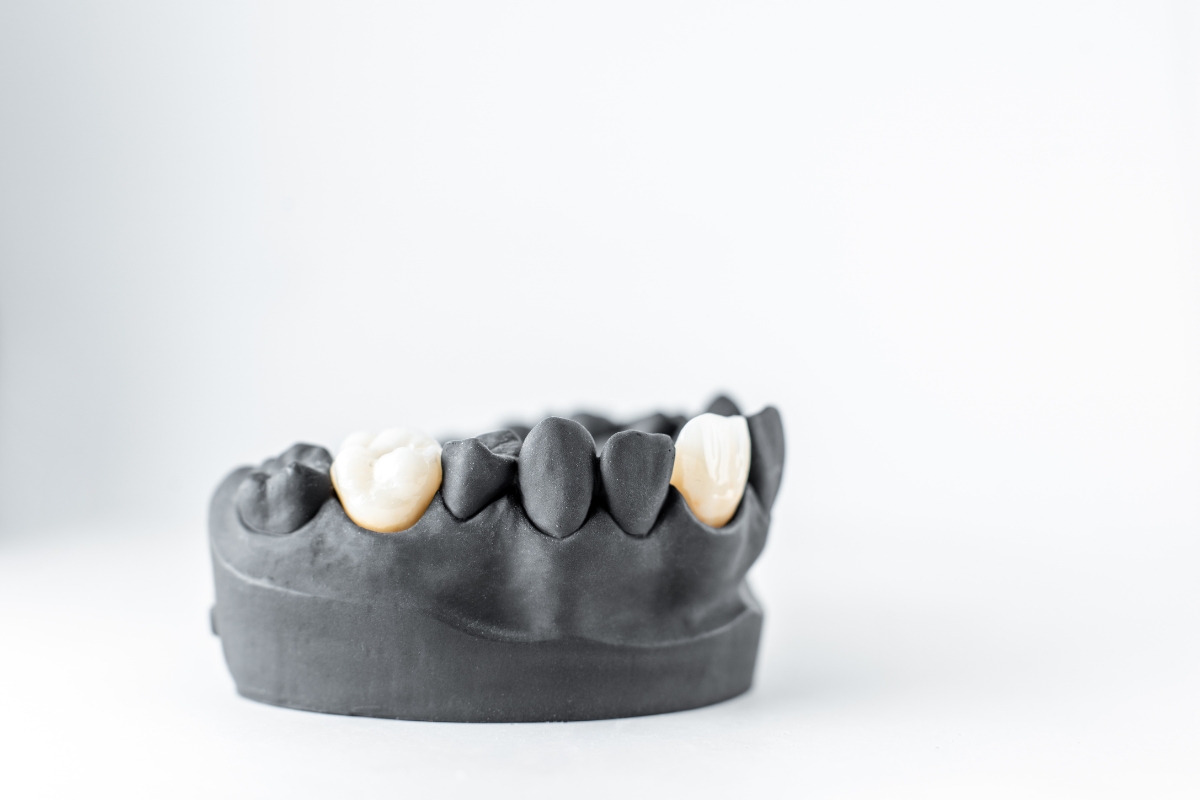
A tooth with a large filling may work for years before a piece breaks. Another tooth may feel tender when you bite, even though you cannot see a problem. Both situations deserve an examination rather than a guess about the repair.
Dental crowns in Payson are one option for restoring teeth that need more support than a filling can provide. Anderson Dental Group offers crowns and evaluates whether coverage is appropriate for the amount and type of damage present.
What Does a Crown Do?
A crown covers the prepared portion of a tooth above the gumline. It restores shape and provides a new chewing surface. Crowns can protect weakened teeth, restore certain broken teeth, and complete some root canal treatments.
A crown on a natural tooth is different from a crown attached to an implant. The first covers remaining tooth structure. The second forms the visible part of a replacement tooth.
Why Might a Filling Be Insufficient?
A filling replaces missing structure within a tooth. When the remaining walls are thin, fractured, or heavily undermined, a larger filling may not provide the support needed.
The decision is not based only on how large the repair looks. Your dentist also considers the crack pattern, bite, decay, and condition of the pulp. In some cases, another restoration may be suitable.
Ask to see the relevant image or examination finding. Questions such as “What makes this tooth vulnerable?” and “What would happen with a smaller repair?” can help you understand the recommendation without relying on unfamiliar terminology.
Can Every Cracked Tooth Receive a Crown?
No. The location and depth of a fracture affect whether the tooth can be restored. A crown cannot reliably solve a fracture that makes the tooth nonrestorable, and it does not treat infected pulp by itself.
If you have pain, the dentist needs to identify its source before proceeding. Root canal treatment, extraction, or referral may be discussed when appropriate.
For patients in Round Valley or Mesa Del Caballo, calling before traveling can help the team understand the concern and appointment needs. Mention swelling, recent trauma, or difficulty biting rather than simply asking for a crown.
What Happens at the Crown Appointments?
Anderson Dental Group describes a process that generally involves two visits. At the preparation appointment, the tooth is evaluated, decay is addressed, and space is created for the restoration. An impression guides fabrication of the custom crown.
A temporary crown protects the prepared tooth while the final one is made. At the next appointment, the dentist evaluates the new crown’s fit, appearance, and bite before securing it.
Ask how long the laboratory stage is expected to take. If you have upcoming travel, share those dates before treatment. A temporary restoration should not replace completing care.
How Do You Choose a Crown Material?
The practice lists porcelain-fused-to-metal, all-porcelain, and gold crowns among its options. The choice depends on the tooth’s location, appearance goals, chewing forces, and clinical requirements.
Discuss allergies or sensitivities, grinding habits, and how visible the tooth is when you smile. Material selection should reflect your situation rather than a claim that one option suits everyone.
How Should You Care for a Temporary Crown?
Follow the office’s instructions for eating and cleaning. Avoid habits that may pull off or damage the temporary restoration. Ask how to floss around it and what to do if it feels loose.
If it comes off, call the office. Do not use household glue. Keep the restoration if possible and ask for guidance about protecting the tooth until it can be assessed.
Report a bite that feels high or painful. You should not need to wait until the final appointment to mention discomfort that interferes with eating or sleep.
What Protects the Final Crown?
Brush with fluoride toothpaste and clean between teeth daily. Although the crown material cannot decay, the remaining tooth can develop decay around its margins. Routine examinations help monitor the restoration and supporting tissues.
Avoid chewing ice or using teeth to open packaging. If you clench or grind, ask whether a protective appliance is appropriate. A crown restores a tooth, but it does not remove the forces that contributed to damage.
Give Your Tooth a Clear Treatment Plan
Call Anderson Dental Group at (928)-474-4581 to schedule an evaluation at 712 N Beeline Hwy in Payson. The visit can help determine whether a crown, a more conservative repair, or another treatment fits your tooth’s condition.
Frequently Asked Questions
Does Getting a Crown Hurt?
Local anesthesia is commonly used during preparation. Tell your dentist about anxiety or difficulty getting numb. Some temporary sensitivity can occur afterward, but persistent or worsening pain should be evaluated.
Will My Crown Match My Other Teeth?
Tooth-colored materials can be selected to complement nearby teeth. Discuss shade and shape before the crown is finalized, especially when the tooth is visible in your smile.
How Long Will a Crown Last?
Longevity varies with material, bite forces, hygiene, and the tooth underneath. Ask about maintenance and signs of a problem instead of relying on a guaranteed replacement date.
Does Needing a Crown Mean I Need a Root Canal?
No. Many crowned teeth do not need root canal treatment. Your dentist evaluates pulp health separately and explains whether that additional procedure is indicated.

