Welcoming New Patients & Emergencies!

A tiny chip on your front tooth might seem insignificant. However, even minor damage can change how your smile looks and feels.
Perhaps you noticed the chip after biting something hard. Maybe a childhood injury left one tooth looking shorter than the others.
Regardless of the cause, small imperfections can draw your attention whenever you smile or speak.
Fortunately, some cosmetic concerns can be corrected without extensive dental procedures. At Anderson Dental Group, we help patients explore practical options for improving the appearance of their natural teeth.
For patients seeking dental bonding in Payson, understanding the procedure can make choosing treatment easier.
How Small Chips Affect Your Smile
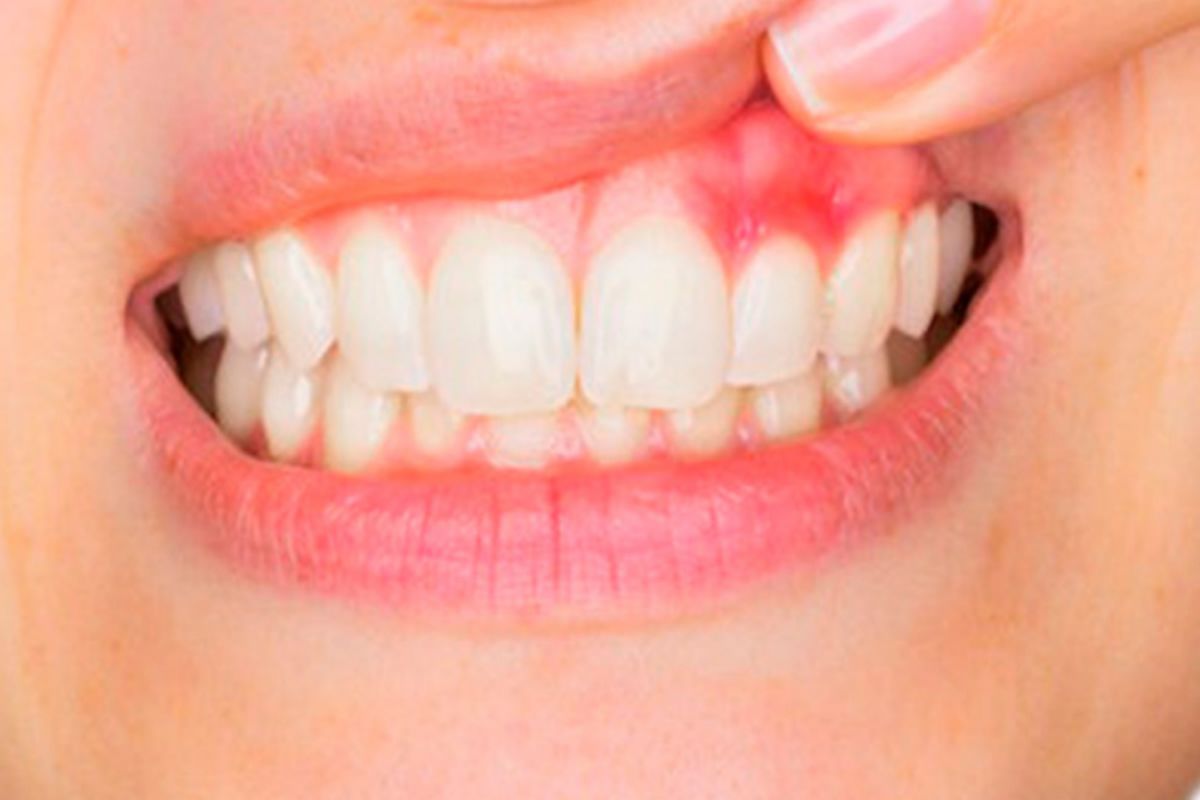
Your front teeth play an important role in how your smile looks. Their shape, length, and position contribute to facial balance. When a tooth chips, the uneven edge may become noticeable. Some people also experience irritation when a rough edge touches their tongue.
Additionally, minor damage can sometimes develop into a larger problem. Although not every chip requires cosmetic treatment, a dental examination helps determine whether the tooth needs protection.
A small surface chip differs significantly from a fracture extending into deeper tooth structures. Therefore, identifying the damage is the first step toward choosing an appropriate repair.
What Is Cosmetic Dental Bonding?
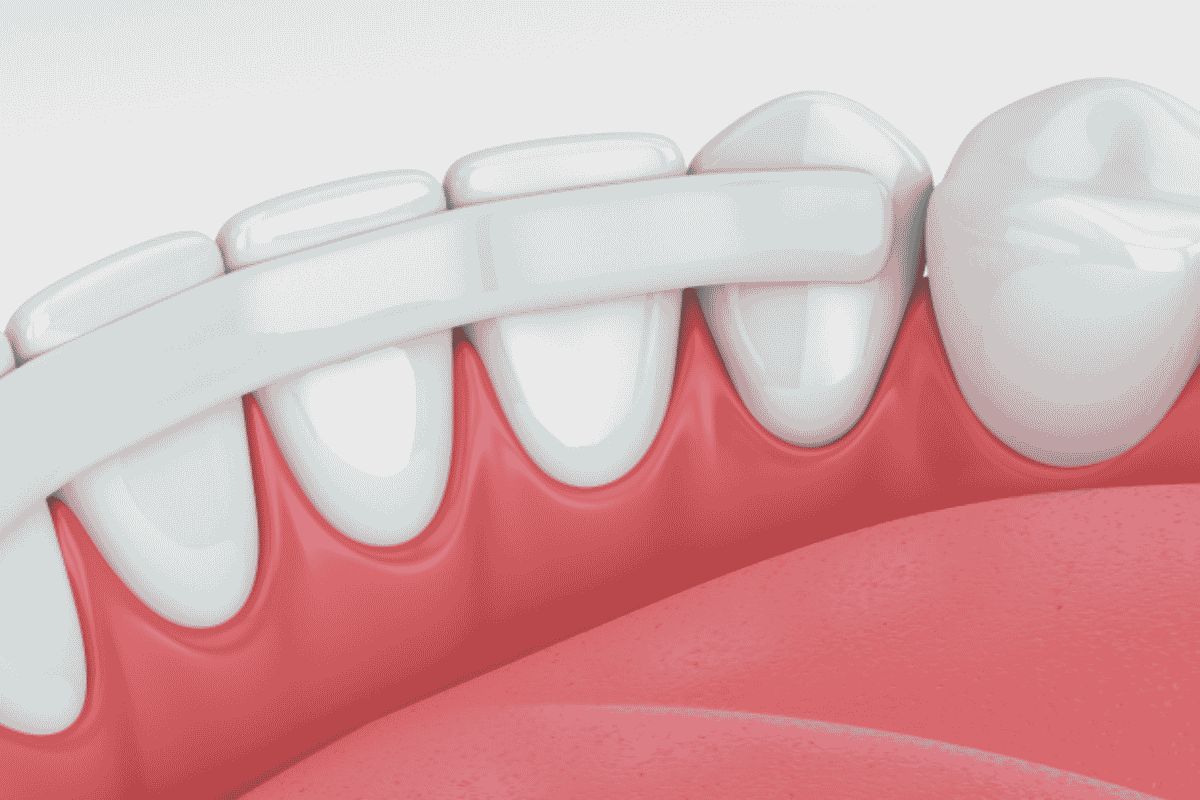
Dental bonding uses a tooth-colored composite resin to improve a tooth’s shape or appearance. The dentist applies this material directly to the tooth. Then, the resin is shaped and hardened using a special curing light.
After polishing, the repaired area can blend with the surrounding enamel. Because bonding often requires little removal of natural tooth structure, it offers a conservative option for certain cosmetic concerns.
Many straightforward bonding procedures can be completed in a single dental appointment. However, treatment time depends on how many teeth need attention and how extensive the repairs are.
Five Smile Concerns Bonding Can Address
Dental bonding has several cosmetic applications. Its suitability depends on tooth condition, bite forces, and the patient’s expectations.
Repairing Small Front Tooth Chips
A chipped front tooth can create an uneven smile. Bonding rebuilds the missing portion with composite resin. The dentist carefully shapes the material to resemble the original tooth.
However, larger fractures may require a stronger restoration.
Closing Minor Gaps Between Teeth
Some people naturally have small spaces between their front teeth. Others develop spacing changes over time. Bonding can sometimes reduce these gaps by adding material to the surfaces of neighboring teeth.
However, significant spacing or bite problems may require orthodontic treatment instead.
Improving Uneven Tooth Shapes
A naturally short or irregularly shaped tooth may appear different from its neighbors. Cosmetic bonding can adjust its visible shape and create a more balanced appearance.
The final design should also support comfortable biting and cleaning.
Covering Certain Tooth Discolorations
Some stains do not respond well to conventional whitening treatments. Bonding may conceal limited areas of discoloration using a resin shade that matches surrounding teeth.
However, extensive discoloration may require another cosmetic approach.
Smoothing Rough Tooth Edges
Minor enamel irregularities can make a tooth feel rough against your tongue. Bonding may help restore a smoother, more comfortable surface when additional material is needed. A dentist must first rule out deeper fractures or decay.
Dental Bonding Compared With Veneers
Both bonding and veneers can improve tooth appearance. However, the treatments differ in materials, preparation, and maintenance. Dental bonding typically involves applying composite resin directly to the tooth. It may require little or no enamel removal.
Porcelain veneers use thin, custom-made restorations attached to the front surfaces of teeth.
Veneers generally resist staining better than composite resin. However, they often require enamel preparation and additional appointments.
Bonding may suit patients with smaller concerns who want to preserve more natural tooth structure. Meanwhile, veneers may be considered for more extensive cosmetic changes. Neither option is appropriate for every patient. A dental examination helps clarify the differences.
What Happens During a Bonding Appointment?
The process usually begins with an exam and a discussion of your concerns. The dentist selects a composite resin shade that closely matches your natural enamel.
Next, the tooth surface is prepared so the bonding material can attach securely. The dentist then applies, shapes, and hardens the resin with a curing light.
Finally, the dentist adjusts and polishes the restoration to create a smooth finish. At Anderson Dental Group, we start by evaluating the tooth’s health and understanding the patient’s cosmetic goals.
Dr. Church can assess whether bonding offers enough protection or whether another restoration is more appropriate. For many minor cosmetic repairs, anesthesia may not be necessary.
However, more serious damage or associated decay can require additional treatment.
How Long Does Dental Bonding Last?
Dental bonding can last several years, but its lifespan varies. Location matters because front teeth and back teeth experience different chewing forces.
Personal habits also affect how quickly the resin wears down or gets damaged. For example, frequently biting ice or chewing pens may increase the risk of chipping.
Composite resin can also stain over time, especially with regular exposure to coffee, tea, or tobacco. Fortunately, some bonding repairs can be polished, adjusted, or replaced when necessary.
Routine dental examinations help identify changes before the restoration causes discomfort.
Protecting Your Bonded Teeth Every Day
You can support the appearance and condition of bonded teeth through simple daily habits. Brush twice daily using fluoride toothpaste, and clean between your teeth every day.
Additionally, avoid using your front teeth to open packaging or bite hard objects. If you grind your teeth, ask whether a protective nightguard may be appropriate.
Patients who enjoy outdoor activities around Payson and the Mogollon Rim should also consider mouth protection during activities that increase the risk of dental injury. Importantly, bonding does not protect against new cavities or gum disease. Regular preventive dental care remains necessary.
When Should You Repair a Chip?
A minor chip without pain may not require emergency care. However, every new dental fracture deserves evaluation. Seek prompt attention if the chip creates a sharp edge or exposes sensitive tooth structure.
Pain, temperature sensitivity, or discomfort when chewing may indicate more serious damage. If an injury also causes significant tooth movement or bleeding, arrange an urgent dental assessment.
Earlier evaluation can help prevent further fractures and identify damage that may not be visible.
Restore Balance to Your Natural Smile
You do not always need extensive cosmetic treatment to address a noticeable tooth imperfection. Sometimes, restoring a small missing edge can improve both appearance and comfort. At Anderson Dental Group, we offer dental bonding as one option for repairing minor cosmetic concerns.
Dr. Church can examine chipped or uneven teeth, explain available procedures, and help you choose the right treatment. Visit our Payson dental office to explore whether a simple bonding procedure could improve your smile.
Frequently Asked Questions
- Can dental bonding repair a chipped front tooth?
Yes, bonding can repair many minor front tooth chips by rebuilding the missing edge with tooth-colored resin. However, deeper fractures may need different treatment. A dental examination at our practice helps determine whether bonding can restore the tooth’s appearance and function.
- Will my bonded tooth look natural?
The dentist selects resin that closely matches the color of the surrounding teeth. Careful shaping and polishing help the repair blend with natural enamel. Results vary, so discuss your desired appearance during a cosmetic consultation.
- Is dental bonding painful for patients?
Cosmetic bonding usually causes little discomfort because it often requires minimal tooth preparation. Many procedures do not require anesthesia. However, treatment involving decay or more serious damage may differ. Our dentist can explain what to expect before beginning the repair.
- Can I receive dental bonding in Payson?
Patients interested in correcting small chips, gaps, or uneven teeth can schedule a cosmetic dental consultation at our Payson office. An examination helps determine whether bonding is suitable and whether additional restorative treatment is needed.
- Can dental bonding close gaps permanently?
Bonding can reduce certain small gaps, but the composite material may eventually require repair or replacement. Larger spaces or bite-related concerns might need orthodontic care. Our dentist can assess the spacing and discuss options for achieving a balanced smile.
- Should I choose bonding or porcelain veneers?
Bonding may work well for minor imperfections, while veneers can address more extensive cosmetic concerns. Their preparation requirements and maintenance needs differ. A consultation lets our dentist assess enamel health, bite forces, and treatment goals before recommending an option.